

What we can do for you
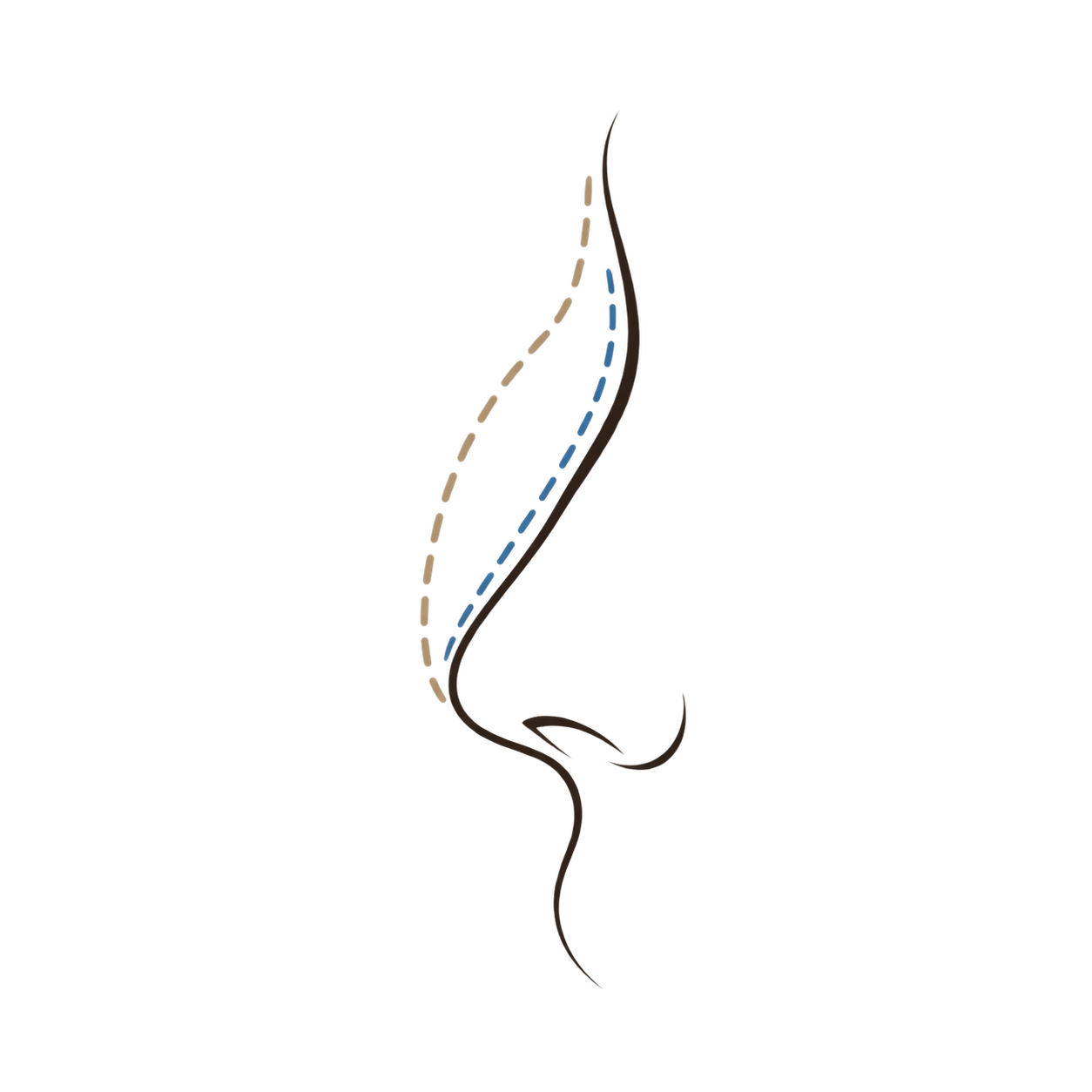
Low bridge or profile
Bridge height and dorsal contour affect the profile and the way other features relate to it. A low bridge does not automatically require an implant.
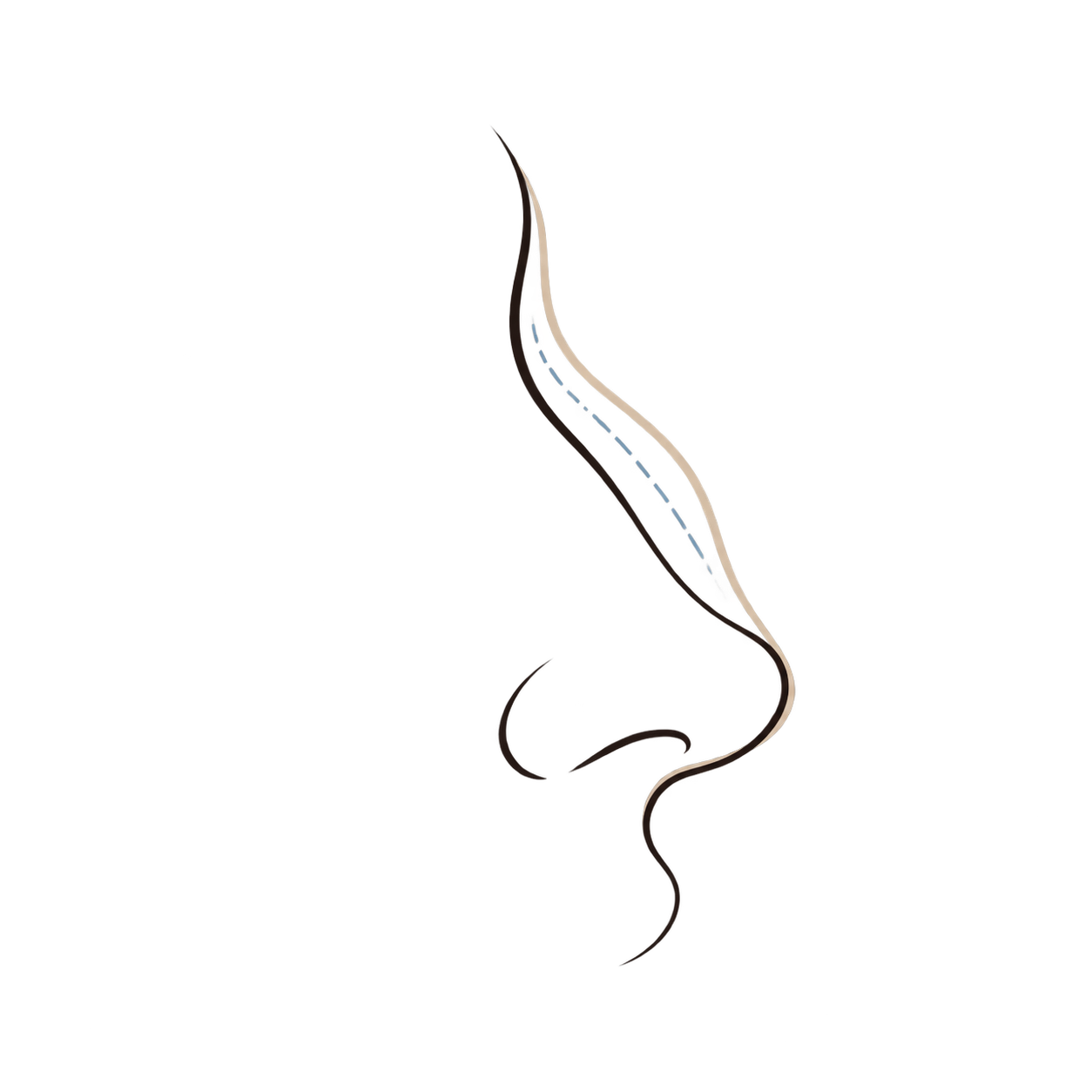
Dorsal hump
A hump can involve bone, cartilage or both. Limited reshaping and more extensive correction are different planning questions.
Broad or drooping tip
Tip width, support, projection and rotation should be assessed together. A side-view photograph alone cannot establish the cause or plan.
Apparent crookedness
A crooked appearance can involve bony, septal, cartilaginous and tip components. A frontal and functional assessment matters.
Alar base
Alar-base reduction is a distinct procedure question. The exact incision pattern and scar discussion require surgeon approval.
Revision rhinoplasty
Revision planning starts with your previous operations, current structure, breathing, skin and the reason you are considering revision. Bring previous records where available.
A clearer consultation path
Primary and revision rhinoplasty ask different questions.
Four planning stages help your surgeon connect your history, goals, materials and recovery into one considered plan.
What has been operated on?
Previous incisions, grafts, implants and healing change the available options. Revision planning starts with understanding what is already there.
What is the goal?
Shape, support, proportion and breathing may need to be considered together. A clear priority helps the plan stay realistic.
What materials are possible?
Septal, ear or the patient’s own rib cartilage may be discussed, but availability and selection are case-specific.
What is the recovery plan?
Swelling, work, exercise, flight and final refinement are different milestones. Your consultation should make each one clear.
Grafts, access and function
Open and closed rhinoplasty describe surgical access, not a hierarchy of quality. We discuss septal, ear and rib cartilage as possible graft sources. Your surgeon will confirm whether a graft is appropriate, which source is suitable and how it would be used in your plan. If you are considering alternatives to donor rib, ask your surgeon which options may be suitable for your case.
Recovery and travel
We explain that swelling improves over weeks while refinement can continue for about a year or longer. Social recovery, work readiness, strenuous activity, final shape and fitness to fly are separate milestones. Do not treat a generic interval as clearance to exercise, fly or leave Korea. If you are travelling internationally, arrange records, a complication plan and follow-up before travel.
Risks and limitations
Discuss anesthesia complications, infection, bleeding, impaired healing or scarring, altered sensation, breathing difficulty, septal perforation, an unsatisfactory appearance and the possibility of further surgery. Symmetry and a photographed ideal cannot be guaranteed. Your surgeon will cover material-specific and functional considerations for your plan.